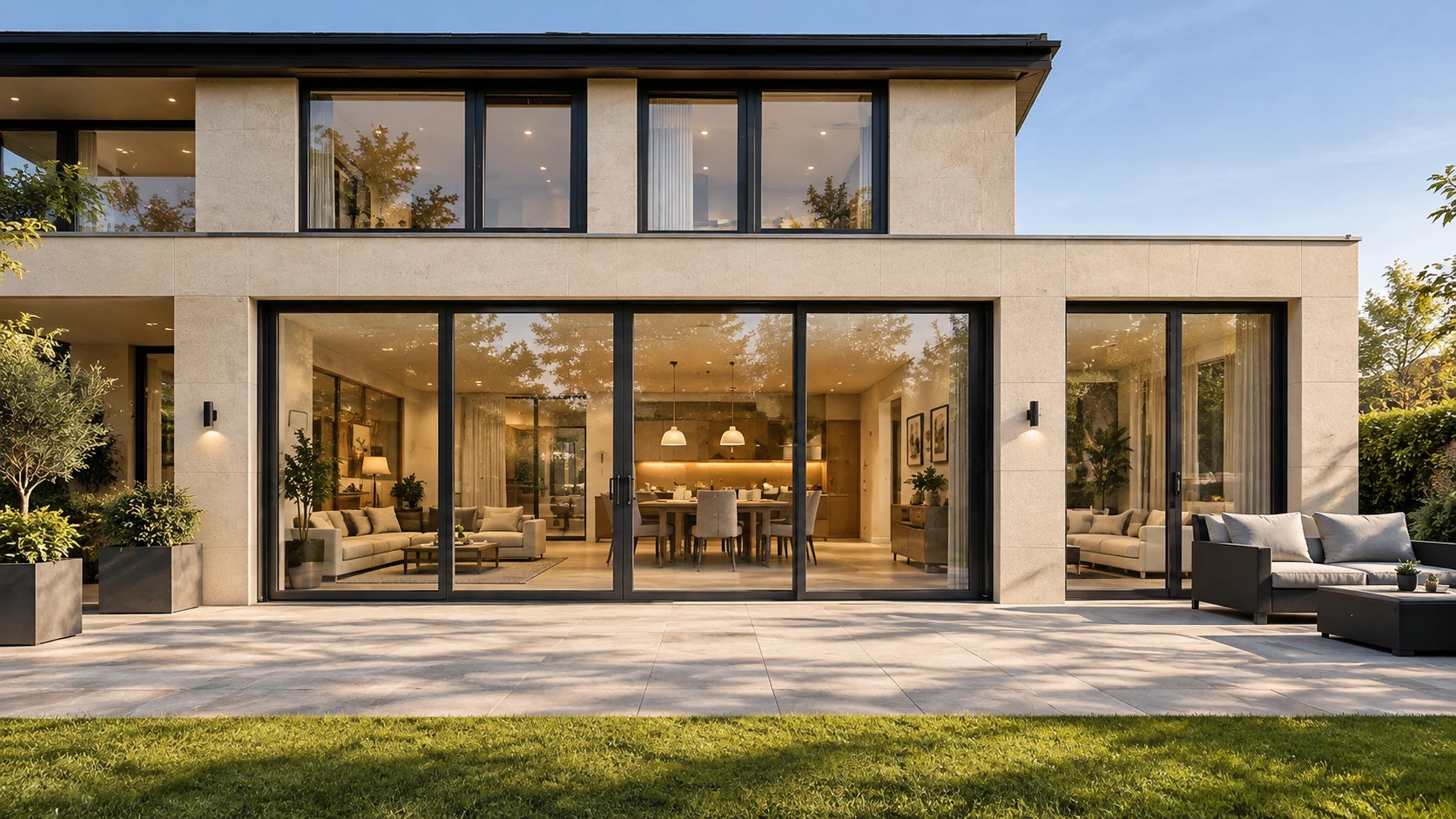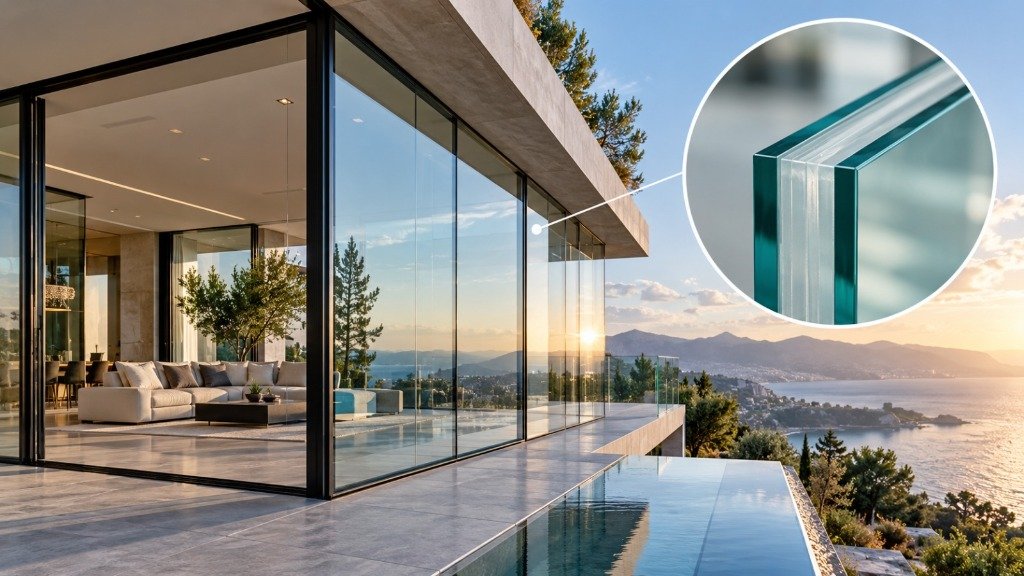
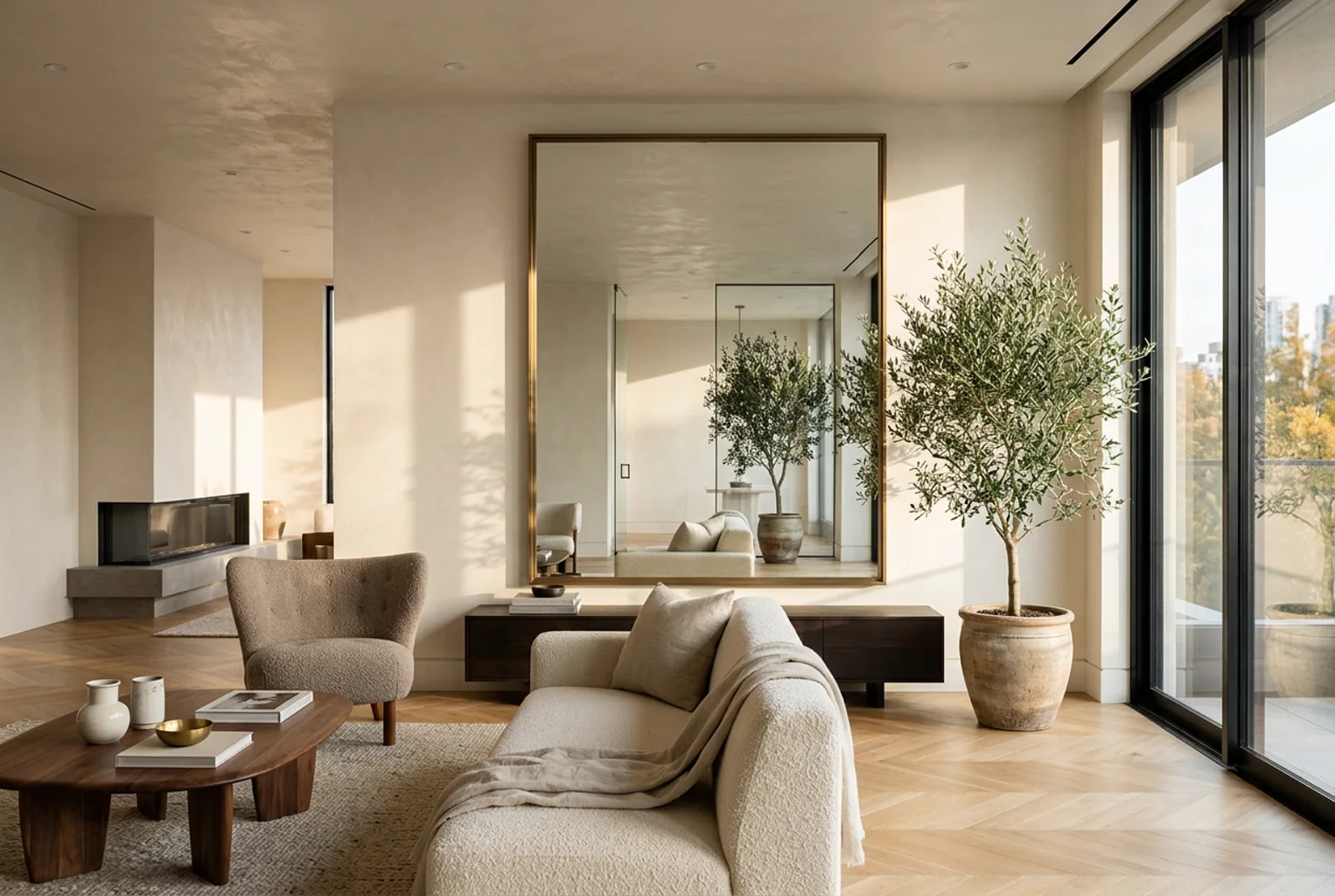
A mirror can change the character of a room without changing its dimensions. Its placement determines whether it brings in daylight, creates visual depth, reflects a beautiful feature, or simply becomes another decorative object. When positioned with care, mirrors elevate everyday living spaces, turning ordinary walls into architectural statements while redistributing natural light throughout your home.
“The most effective mirror is not necessarily the largest one. It's the one that reflects something worth seeing.”
The Right Reflection Makes All the Difference
Before hanging any mirror, consider what will appear in its glass. A mirror does not exist in isolation; it frames a live picture of whatever sits opposite. Positioning a mirror to capture a lush balcony garden, a refined piece of artwork, or clean architectural millwork doubles the presence of that feature in the room.
Conversely, placing a mirror directly across from open storage shelves, kitchen utility zones, or tangled cable runs simply duplicates visual disorder. Always check sightlines from seated and standing heights before drilling mounting anchors.
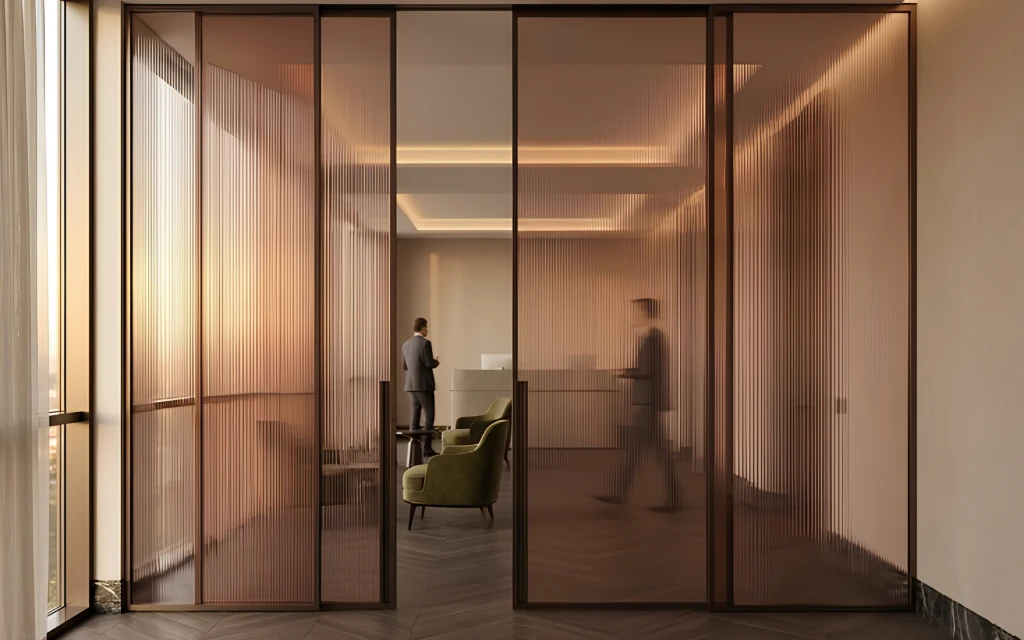
Sightline planning: reflective planes capture exterior daylight and refined millwork rather than clutter.
Bring More Natural Light Into Living Spaces
Mirrors cannot generate lumens on their own, but their reflective surfaces can redistribute daylight into dimmer corners. The most effective technique is hanging a mirror on an adjacent wall perpendicular to a window. This allows incoming sunlight to strike the plane at an angle and disperse gently across ceilings and floors.
Avoid placing mirrors directly opposite harsh west-facing or south-facing windows. Direct alignment can generate uncomfortable midday glare, causing visual fatigue rather than pleasant ambient illumination.
01 — Mirror Opposite a Window
Position a mirror to reflect useful daylight deeper into the room.
02 — Mirror Beside a Window
Reflect light from an adjacent angle while minimizing uncomfortable glare.
03 — Create Visual Depth
Use an appropriately sized mirror to make compact rooms feel more open.
04 — Reflect Natural Elements
Position mirrors to reflect greenery, artwork, or attractive architectural features.
Make Compact Rooms Feel More Spacious
In compact urban flats and narrow entrance foyers, walls often close in on circulation paths. Installing an oversized or floor-to-ceiling mirror creates an optical opening that tricks the eye into perceiving continuous space beyond the wall boundary.
Narrow Hallways
In tight hallways, placing an elongated horizontal mirror above a slim console shelf visually broadens the corridor. This eliminates tunnel-like constriction and guides natural light seamlessly along high-traffic circulation pathways.
“Create visual depth in narrow circulation spaces.”
Compact Living Rooms
For dining alcoves, a large wall mirror creates the welcoming illusion of a double-length gathering room. Expansive reflective surfaces soften perimeter boundaries, giving compact floor plans a comfortable, generous spatial quality.
“Introduce a greater sense of openness.”
Turn an Ordinary Wall Into a Design Feature
Mirrors can serve as standout architectural focal points rather than afterthought decor. Minimalist bronze-tinted mirror panels, antiqued surfaces, and arched silhouettes add warmth and texture to bare vertical planes.
The choice of framing material significantly impacts the overall ambiance. Thin brushed brass or powder-coated charcoal frames deliver crisp, modern lines that integrate seamlessly with contemporary furnishings without overwhelming the room.
Statement Mirrors
Large framed decorative mirrors in luxury living areas command visual focus as primary wall art.
Bronze-Tinted Mirrors
Warm contemporary interiors featuring bronze-tinted wall mirrors soften reflections with subtle amber luxury.
Minimalist Mirror Panels
Clean, frameless mirror panels integrate flush with contemporary wall paneling and architectural reveals.
Create a Better Bedroom Dressing Area
A well-planned bedroom dressing mirror requires adequate distance and balanced lighting. Position full-length mirrors beside wardrobes or on an adjacent dressing alcove wall where you have at least three to four feet of unobstructed step-back room.
One common mistake to avoid is mounting mirrors directly opposite the head of the bed. Sudden nighttime reflections can disrupt restful sleep. Instead, keep mirror planes parallel to the bed or concealed inside wardrobe shutter doors.
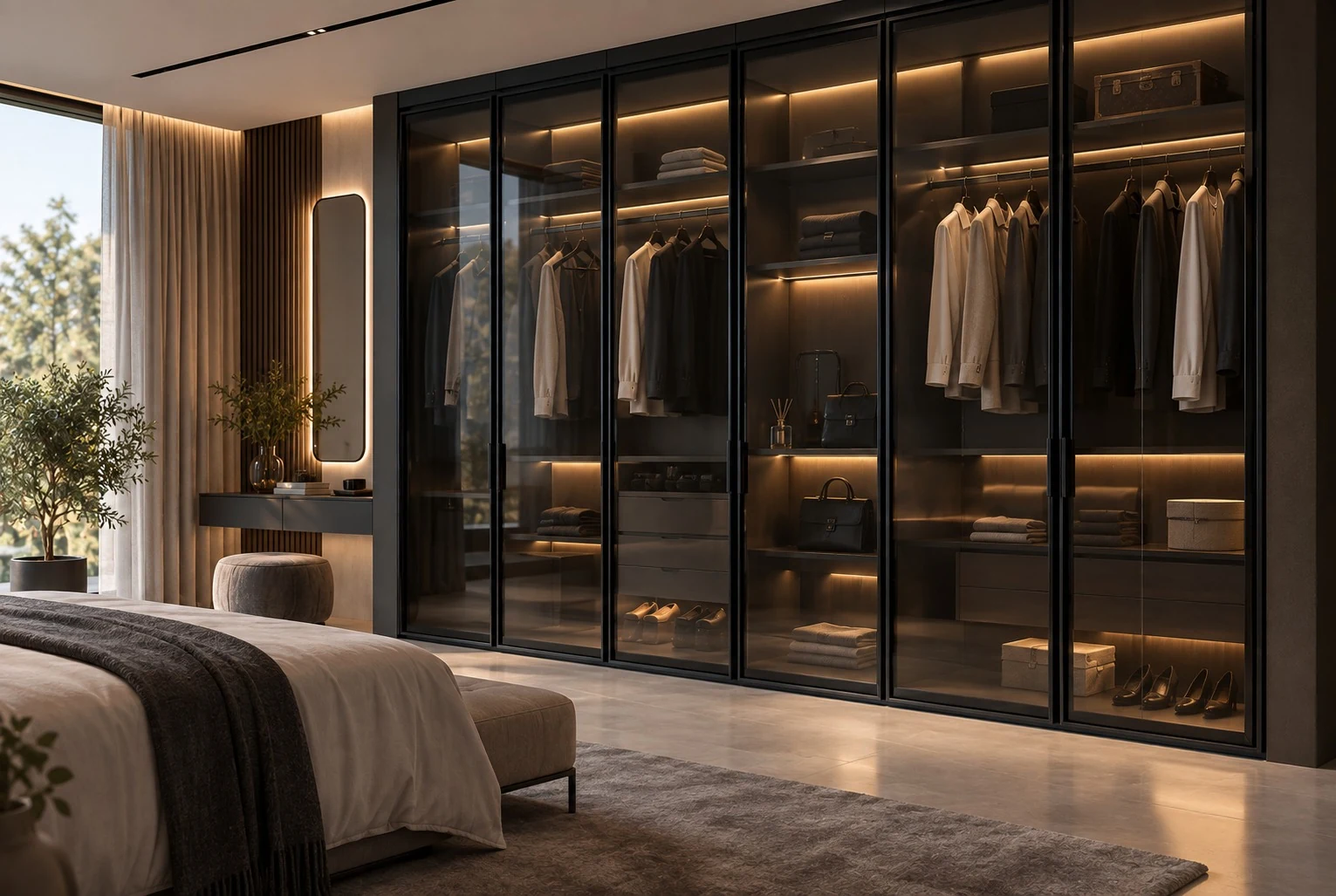
Dedicated dressing zones: full-length wardrobe mirror integration offers clear reflection while preserving bedroom calm.
Modern Bathrooms Deserve Better Mirrors
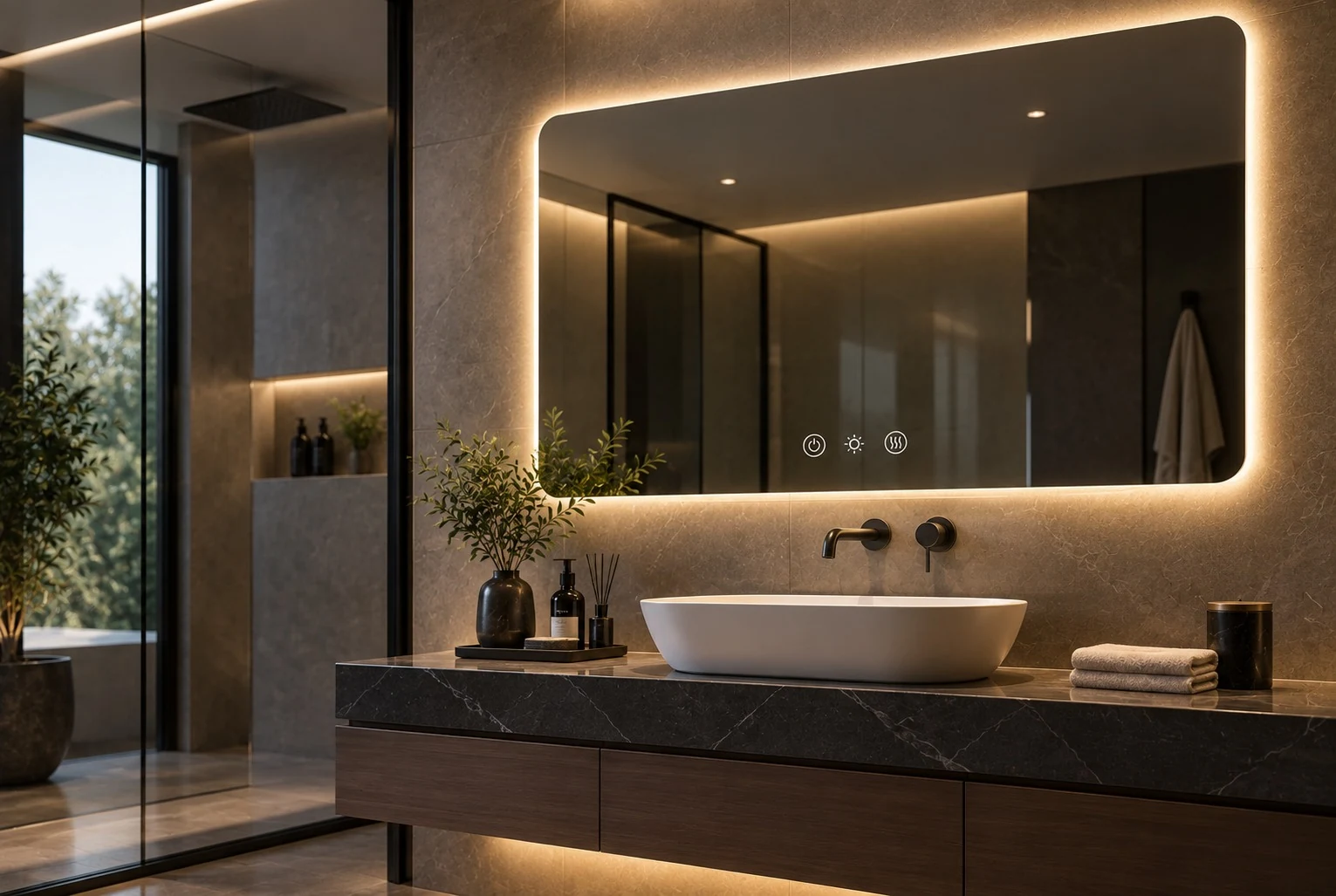
Perimeter LED diffusers deliver diffused, shadow-free facial illumination with touch-free control.
Bathrooms require functional, shadow-free illumination for daily grooming. Standard overhead vanity lights frequently cast harsh facial shadows under the eyes and chin.
Modern illuminated mirrors resolve this challenge by embedding perimeter LED diffusers directly into the glass. Shiva Glass Group's engineered Sensor Mirrors combine touch-free activation, adjustable color temperatures, and in-built demister pads that keep the glass clear even during steaming hot showers.
A Few Mirror Placement Mistakes Worth Avoiding
Even premium architectural mirrors fail to deliver their aesthetic promise when installed without attention to scale, orientation, and sightlines. Guard against these four frequent placement oversights:
Reflecting Clutter
Always verify that the mirror reflects open space, light, or art rather than untidy utility areas and open shelving.
Uncomfortable Glare
Placing reflective glass directly opposite intense west- or south-facing windows creates blinding reflections and optical discomfort.
Incorrect Proportions
A mirror that is too small on an expansive wall looks lost, while an oversized frame on a tight wall crowds circulation and visual balance.
Unsafe Installation
Heavy architectural mirrors require suitable fixing methods and mechanical anchors secured into solid masonry or structural studs for lasting safety.
Conclusion
Successful mirror placement is about intention rather than simply filling empty wall space. By aligning reflective surfaces with daylight paths, framing pleasing views, and selecting quality architectural pieces like illuminated sensor mirrors, you create interiors that feel naturally expansive, balanced, and timeless.
Frequently Asked Questions
Where should mirrors be placed in a living room?
Place mirrors on walls perpendicular to windows to reflect daylight inward without harsh glare, or center a decorative statement mirror above a console table or sofa to anchor the room.
Can mirrors make a small room look bigger?
Yes. Large floor-standing mirrors and frameless wall panels bounce light and create continuous sightlines, effectively doubling the perceived depth and open volume of tight spaces.
Which mirror design works best in modern bedrooms?
Full-length mirrors with minimalist metal frames or wardrobe-integrated panels work best. Place them within dressing zones rather than facing the bed to maintain a tranquil sleeping environment.
Are LED mirrors suitable for bathrooms?
Yes. High-quality LED sensor mirrors with IP-rated moisture seals provide diffused, shadow-free vanity illumination and integrated heating pads that prevent the glass from steaming up during showers.